Dental Implants In Lilydale: Your Questions Answered By Dr Claudia Yung
Missing teeth affect more than your smile. They change the way you eat, speak, and feel about yourself in social situations. Over time, the gap left by a missing tooth causes surrounding teeth to shift and the underlying jawbone to weaken. For many people in Lilydale and the Yarra Valley, dental implants offer a long-term solution that restores both function and appearance. Add to that, access to affordable dental care that does not compromise on quality makes a genuine difference to long-term decisions about treatment.
This page answers the questions I hear most often in the clinic. Whether you have one missing tooth or several, or whether you have been putting off treatment because you are worried about pain, cost, or the procedure itself, I want you to have clear, practical information before your first consultation.

By Dr Claudia Yung — Fellow of the Royal Australasian College of Dental Surgeons (RACDS), University of Melbourne graduate, and Principal Dentist at Dental Logic, Lilydale.
At A Glance: What You Need To Know About Dental Implants
A dental implant is a small titanium post placed into the jawbone to act as an artificial tooth root. Once the post bonds to the bone, a crown is attached on top to create a replacement tooth that looks and functions like a natural one. Dental implants are considered the gold standard for replacing missing teeth because they support the jawbone, do not rely on neighbouring teeth for support, and can last many years with the right care.
At Dental Logic, we use only high-quality implant and grafting products. Where bone volume is insufficient, bone grafting can be performed to build a stable foundation before the implant is placed.
Question:
What Exactly Is A Dental Implant?
A dental implant has three components. The titanium post is surgically placed into the jawbone and serves as the root. An abutment connects the post to the visible part of the restoration. The crown sits on top and is shaped and shaded to match your surrounding teeth. Together, they form a replacement that is fixed in place, not removable like a denture.
The titanium material is important. It is biocompatible, which means the body accepts it well and the bone gradually fuses around the post in a process called osseointegration. This integration is what gives implants their stability and longevity. Once complete, the restoration feels and functions much like a natural tooth.
Question:
Am I A Good Candidate for Dental Implants?
Most adults who are in reasonable general health can be assessed for dental implants. During your consultation at Dental Logic, we look at a number of factors before recommending treatment. Implants are not limited to patients with straightforward cases — people who have experienced tooth loss due to decay, injury, or even wisdom teeth removal are commonly assessed for implant suitability.
Factors That Support Good Candidacy
- Adequate jawbone density and volume to support the implant post
- Healthy gums free from active periodontal disease
- Good general health, including controlled systemic conditions such as diabetes
- Non-smoking status or willingness to stop smoking around the procedure dates
- Realistic expectations and a commitment to long-term oral hygiene
If you have experienced bone loss at the implant site, you may still be suitable for treatment. Bone grafting can rebuild the area before the implant is placed. We will discuss this with you during your consultation so you understand every option available.
Certain conditions such as uncontrolled diabetes, active chemotherapy, or severe osteoporosis may require a more detailed review before treatment can proceed. We take a thorough and careful approach to treatment planning so that the outcome is right for your situation.
Question:
How Do I Know If I Have Enough Bone For A Dental Implant?
A clinical assessment including dental X-rays and, where appropriate, 3D cone beam imaging will show the volume and density of your jawbone. If bone loss has occurred, bone grafting may allow treatment to proceed. Your dentist will discuss this with you clearly during the consultation.
Question:
Are Dental Implants Suitable For Older Adults?
Age alone is not a barrier to dental implants. Suitability is assessed based on general health, bone quality, and gum condition rather than age. Many adults in their 70s and beyond have successful implant treatment. If you have concerns about age or health, raise them at your consultation.
Question:
What Happens During The Dental Implant Process?
The process typically takes place over several weeks to several months, depending on your individual needs. Here is a general overview of what to expect at Dental Logic.
Step 1 — Initial Consultation
We begin with a thorough clinical assessment, which includes X-rays and where appropriate, 3D cone beam imaging, to evaluate your bone volume, gum health, and overall oral health. We will discuss your goals, explain the process clearly, and outline a personalised treatment plan and cost estimate before anything is scheduled.
Step 2 — Bone Grafting (If Required)
If your jawbone does not have enough volume to hold an implant securely, a bone graft is placed first. The graft material is allowed to integrate with your natural bone over a period of a few months before the implant surgery is scheduled. Not every patient requires this step.
Step 3 — Implant Placement
The titanium post is placed into the jawbone under local anaesthesia during a minor surgical procedure. Most patients are surprised by how comfortable the procedure feels. The area is numbed thoroughly before we begin, and you are able to go home the same day. Like all dental surgery performed at Dental Logic, the procedure is carried out under strict infection control protocols in a fully accredited sanitary dental environment.
Step 4 — Healing and Osseointegration
After placement, the implant is left to integrate with the bone. This healing period typically takes between eight and twelve weeks, though it varies between patients. During this time, a temporary restoration may be used to maintain appearance and function.
Step 5 — Crown Placement
Once the implant has integrated successfully, we take impressions and fit the permanent crown. The crown is crafted to match the colour, shape, and size of your natural teeth. At Dental Logic, we have an in-house laboratory technician which supports close attention to the quality of the final restoration. The result is part of a broader range of dental services and dental treatments delivered by our professional team — all focused on giving you a confident smile and high quality care from your first visit through to long-term maintenance.
Question:
Will It Hurt?
This is one of the most common questions I hear, and the honest answer is that most patients find the procedure far more comfortable than they expected. The surgical area is thoroughly numbed with local anaesthesia before we start. During the procedure, you should feel pressure but not pain.
After the anaesthetic wears off, some soreness and swelling in the area is normal for a few days. Over-the-counter pain relief is usually sufficient to manage this. Most patients return to their regular routine within a day or two of the procedure.
If you feel anxious about dental procedures, please tell us. Dental Logic offers anxiety management solutions and our friendly team is experienced in helping nervous patients feel comfortable. Your wellbeing comes first at every visit.
Question:
Can I Get A Dental Implant Straight After A Tooth Extraction?
In some cases, an implant can be placed immediately after extraction. In others, it is better to allow the extraction site to heal first. This depends on the condition of the bone and the absence of infection in the area. Your clinician will advise which approach suits your situation.
Question:
What Happens If A Dental Implant Fails?
Implant failure is uncommon when treatment is carried out carefully and the patient follows post-operative and long-term care instructions. If an implant does not integrate successfully, the options are assessed case by case and may include a period of further healing before a second attempt. Smoking, uncontrolled systemic conditions, and poor oral hygiene are the most common risk factors.
Question:
Can I Get Dental Implants If I Have Gum Disease?
Active gum disease should be treated and stabilised before implant surgery proceeds. Bacteria associated with gum disease can compromise the healing process and the long-term stability of the implant. We will assess your gum health thoroughly and recommend treatment if needed before any implant work begins.
Question:
How Long Does The Whole Process Take?
For straightforward cases without bone grafting, the process from consultation to final crown placement often takes between three and six months. When bone grafting is required beforehand, the overall timeline may extend to nine months or longer.
The healing period between implant placement and crown attachment accounts for the majority of that time. The actual clinical appointment time on the day of the procedure is relatively brief. We will give you a realistic timeline estimate after your consultation because no two patients have exactly the same anatomy or healing rate.
Question:
Is The Dental Implant Procedure Done In One Visit?
The implant procedure is carried out over multiple appointments spread across several weeks to months. This is because osseointegration, the process of the implant bonding with the bone, takes time. We will give you a clear timeline for your specific treatment plan at the consultation stage.
Question:
How Long Do Dental Implants Last?
Dental implants have an excellent long-term track record. With consistent oral hygiene, regular professional check-ups, and a healthy lifestyle, implants can last for many years. The crown on top may need to be replaced at some point due to normal wear, but the implant post itself can remain stable for decades. This commitment to long term oral health is central to how we approach every treatment plan at Dental Logic, with personalised care built around your specific needs and lifestyle.
Long-term success depends on factors including oral hygiene practices at home, whether you grind your teeth at night, smoking habits, and regular attendance at the clinic for professional cleaning and monitoring. We will support you with guidance on how to care for your implant once treatment is complete.
Question:
How Do I Care For A Dental Implant After Treatment?
Daily brushing and flossing, including around the implant crown, is essential. An interdental brush or water flosser can help clean the area effectively. Regular professional cleaning and check-up appointments are also important. The implant itself cannot decay, but the surrounding gum and bone need ongoing care to remain healthy.
Question:
What About Cost? What Should I Expect?
Dental implant costs in Australia vary depending on the number of implants required, whether bone grafting is needed, the type of restoration chosen, and other clinical factors. A single implant with a crown involves a higher upfront investment than alternatives such as a bridge or denture, but it is important to consider the long-term value.
Unlike a bridge, an implant does not require adjacent healthy teeth to be prepared. Unlike a denture, it does not need adhesive, cannot be misplaced, and actively preserves jawbone health. Over the long term, these factors can make implants a cost-effective choice.
At your consultation, we will provide a detailed, personalised cost estimate in writing. Dental Logic offers flexible pricing and payment options. We encourage you to ask about these when you contact us. We believe quality dental care should be accessible to the Lilydale community and we are committed to being open and transparent about costs from the start.
Question:
Will My Dental Health Fund Cover Any Of The Cost?
Some private health fund policies with major dental cover include partial rebates for implant-related treatment. The amount varies significantly between funds and policies. We recommend contacting your fund directly to confirm your entitlements. Our team can provide itemised treatment codes to help you check your cover.
Question:
When Should I Book A Consultation?
The sooner you seek advice, the better. After a tooth is lost, the jawbone in that area begins to reduce in volume because there is no longer a root stimulating it. Acting early means more bone to work with, which generally simplifies treatment and improves outcomes.
You should consider booking a consultation if you have one or more missing teeth, if you are unhappy with an existing denture or bridge, or if you have been told you may need a tooth extracted in the near future. A consultation is an opportunity to get clear information, ask questions, and understand your options without any pressure.
Question:
How Dental Logic Can Help
Dental Logic has been serving the Lilydale community and the wider Yarra Valley since 2004. We are a fully accredited private dental practice, holding accreditation since 2016 under the Quality Innovation Performance (QIP) standard. This means our infection control and care standards are independently assessed and verified.
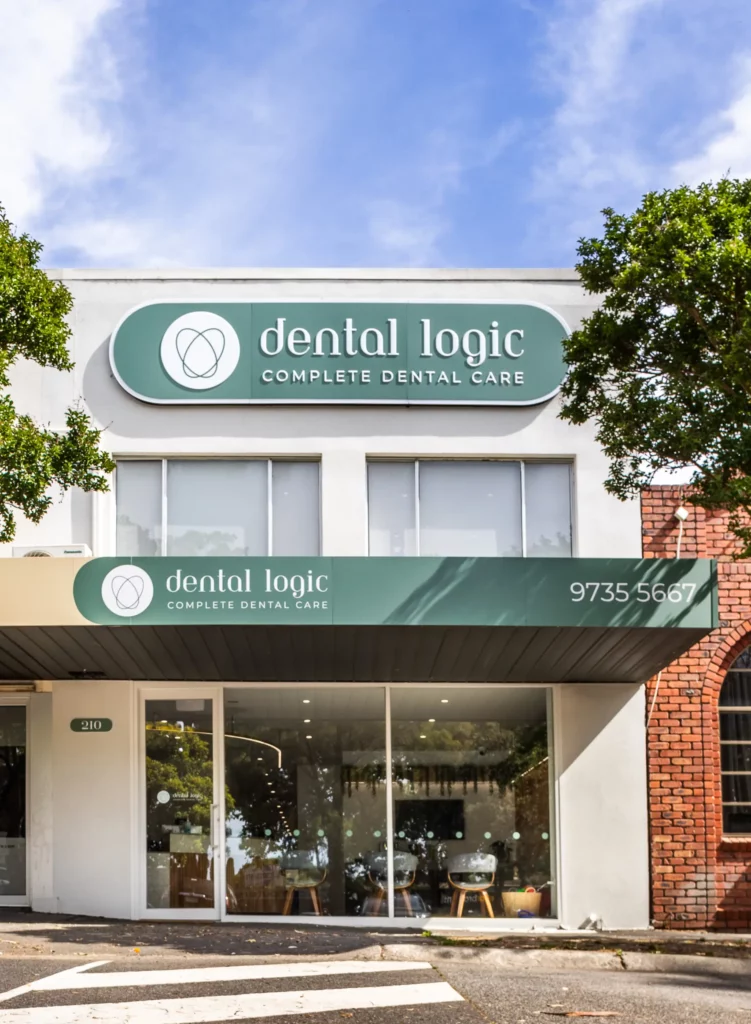
Our clinic at 210 Main Street, Lilydale, is equipped with modern dental technology and our team includes an in-house laboratory technician who supports the precision of restorative work. We take a thorough, caring approach to every treatment plan. Beyond implants, we offer a full range of dental treatments and dental services all under one roof in Lilydale — from preventative care and orthodontics to cosmetic work for patients with crooked teeth.
I have a special interest in complex restorative dentistry and over 20 years of clinical experience. My Fellowship in the Royal Australasian College of Dental Surgeons reflects a commitment to clinical standards that goes beyond routine practice. I also teach final-year dental students at Melbourne Dental Clinic and The Royal Melbourne Dental Hospital, which keeps my approach grounded in current evidence and technique.
If you have questions about dental implants in Lilydale, the best first step is a consultation. We will assess your oral health, discuss your goals, and give you a clear picture of what treatment would involve for your specific situation.
Further Reading At Dental Logic
To learn more about implants and related services at our clinic, the following pages may be helpful:
- Implants and Grafting — for a clinical overview of how dental implants and bone grafting are performed at Dental Logic
- Pricing and Payment Options — for information on costs and payment flexibility
- Meet the Team — to learn more about Dr Claudia Yung and the rest of the Dental Logic clinical team
- Preventative Dental Care — for guidance on keeping your remaining teeth and new implant healthy
- Cosmetic Dentistry — for patients exploring other ways to improve the appearance of their smile alongside implant treatment.
Book Your Dental Implant Consultation In Lilydale
If you are ready to find out whether dental implants are the right choice for you, we would love to hear from you. The team at Dental Logic is here to answer your questions, put you at ease, and help you take the next step toward a confident, healthy smile.
Contact Dental Logic at 210 Main Street, Lilydale VIC 3140 on 03 9735 5667, or book your appointment online. We are open Monday to Saturday.